Music Therapy for Neurodisabilities: How Music Can Support Communication, and Connection
Discover how music therapy for neurodisabilities can support communication, emotional wellbeing and meaningful connection through personalised, therapeutic musical engagement.
MUSIC THERAPY FOR NEURODISABILITIES
5/8/20264 min read
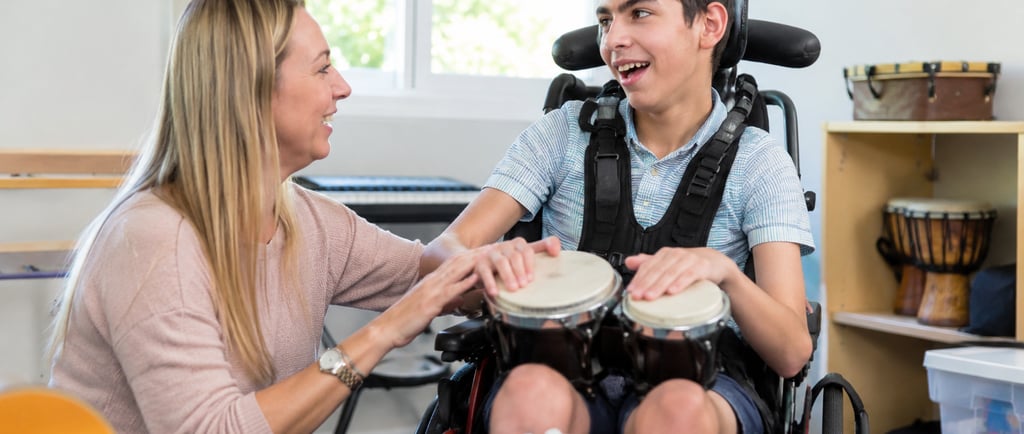
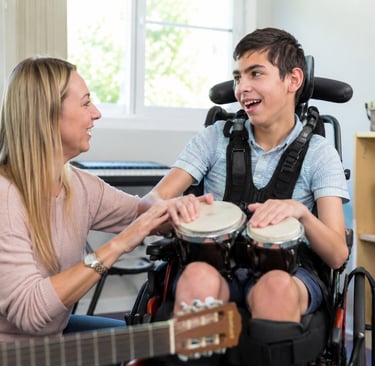
When people think of music therapy, they often associate it with relaxation or casual music sessions. In reality, music therapy for neuro-disabilities is a structured and personalised approach that supports communication, emotional wellbeing, social interaction, and engagement through music.
Music has a unique way of connecting with people when words or traditional forms of communication feel difficult. For those who are facing some neurological difficulties or have special needs, music provides avenues to express themselves, gain confidence and build meaningful connections in a comfortable and supportive environment.
We, at Chorus Music Therapy and Education, offer customised music therapy sessions to help people connect better with the world around them.
What Does Music Therapy for Neurodisabilities Involve?
In the case of music therapy for neurodisabilities, it entails utilising various music activities with the intention of supporting therapeutic goals. Sessions are tailored to the individual, and the area may be based on aspects like communication, emotional expression, attention, building confidence, sensory input, or socialisation.
The use of music therapy can provide the patient with structure and a sense of familiarity, considering that some patients have difficulty using conventional communication techniques. Music can engage different areas of the brain at the same time; thus, it helps in promoting participation.
Importantly, therapy sessions are never about musical talent or performance. The focus is always on supporting the individual through shared musical experiences.
Why Music Can Be So Effective in Therapy
Music naturally connects with emotions, memories, movement, and interaction. A familiar rhythm or melody can help someone feel calmer, be more interactive, and become more confident in their communication.
This is a fundamental reason why music therapy for neurodisabilities is gaining more recognition within well-being and supportive care settings. Music tends to provide opportunities for interaction that would not usually arise through discussion.
The process of therapeutic sessions also allows for an empowering space where individuals feel understood and encouraged to contribute to their level of comfort.
Who Can Benefit From Music Therapy?
Music therapy can support individuals with neurological or developmental challenges.
This may include individuals living with:
Brain injuries
Autism spectrum conditions
Learning disabilities
Cerebral palsy
Neurological conditions affecting communication or mobility
Sensory or emotional regulation challenges
Additional support needs linked to wellbeing and interaction
Each individual’s experience with music varies, meaning that every session will be tailored rather than done uniformly.
What Happens During a Music Therapy Session?
Session content is tailored based on individual client needs and preferences. Some individuals enjoy active musical participation, whereas others might prefer listening, rhythm, and interactive experiences.
Activities can include:
Singing & Vocal Interaction
Songs and vocal activities can support communication, confidence, and self-expression. Music provides a way for people to express their emotions and reactions when they feel uncomfortable with direct speech. This can be especially helpful in music therapy for brain injury because patients face difficulties with emotional expression and communication after experiencing life-altering events.
Rhythm and Musical Engagement
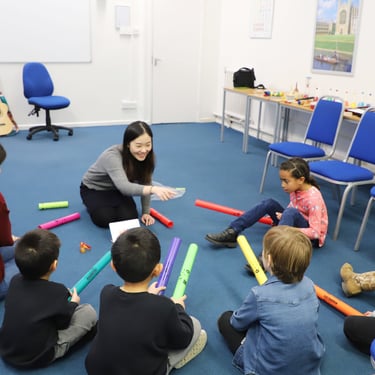
In addition to promoting attention and participation, rhythm can help create structure and predictability during sessions. This can make one feel safe and comfortable.
Simple instruments, movement, and rhythm can encourage participation naturally and enjoyably.
Creative Expression and Emotional Support
Music provides a creative outlet which enables people to express their emotions, establish their identities and show their personal thoughts. The therapy sessions provide support for individuals who experience anxiety and isolation and frustration while they build confidence and social connections.
For many individuals, music becomes a means of expressing experiences and emotions without relying entirely on words.
The Importance of Personalised Support
One of the key elements of music therapy for neurodisabilities is the personalisation of treatment. Sessions will never be the same, as every individual has their unique strengths, interests, and needs.
At Chorus Music Therapy and Education, we focus on creating sessions that feel supportive, engaging, and personalised that would help a client relax and participate, as some people might respond better to active musical sessions and some others to sensory-based music experiences.
This flexible approach helps ensure sessions feel meaningful and accessible for each individual.
Why Does Engagement Matter in Therapy?
Engagement plays an important role in any therapeutic environment. People participate more when they experience three conditions, which include their need to feel safe and their emotional bond with others.
People develop an interest in music which uses sound and rhythm along with familiar elements to create emotional bonds with their audience. Sessions are designed to feel welcoming and supportive, which makes people feel welcome to participate because it supports their need to join activities at their own pace.
This is one reason why music therapy for brain injury and other neurological challenges continues to be explored within well-being and support services.
Supporting Wellbeing Through Meaningful Connection
Music therapy is not only about therapeutic goals. Other important elements of music therapy relate to connecting, building self-confidence, creativity, and fun.
For individuals living with neurological challenges, opportunities for emotional expression and social connection can positively support wellbeing if they are provided with a chance to express themselves socially.
By experiencing music through therapy tailored according to individual needs, an individual will feel supported, valued, and connected in more ways than one.
Final Thoughts
With the rising knowledge about holistic and person-centred approaches, music therapy for neurodisabilities is becoming increasingly recognised as a means of promoting communication, well-being, confidence, and engagement.
At Chorus Music Therapy and Education, we hold the conviction that music opens up great avenues of expression and connection for people with all sorts of needs. Through our tailor-made sessions, we intend to offer a therapeutic experience that feels both inviting and engaging.
FAQs
What is music therapy for neurodisabilities?
Music therapy for neurodisabilities uses structured musical activities to support communication, emotional well-being, social interaction, and engagement for individuals with neurological or developmental challenges.
Can music therapy help after a brain injury?
Yes, music therapy for brain injury may help support emotional expression, confidence, communication, and overall well-being through personalised musical interaction.
Do you need musical experience to join music therapy?
No. Music therapy is designed for everyone, regardless of musical background or ability. Sessions are adapted to the individual’s comfort level and needs.
Is music therapy suitable for both children and adults?
Yes. Music therapy can support children, young people, and adults with a variety of neurological, developmental, and emotional well-being needs.
Copyright © 2026 Chorus Music Therapy & Education - All Rights Reserved.
Chorus Music Therapy & Education Ltd (Company No. 15217688) · VAT Registered: (VAT No. GB 518654961) · Chorus Music Therapy CIC (Company No. 16755615)


Address
45 Queen Edith's Way,
Cambridge,
United Kingdom
CB1 8PJ
Contacts
Tel no: +44 7751 844300 (Cloris)/
+44 7356 044778 (Admin- Winnie)
Email address: info@chorusmusictherapy.co.uk