
Music Therapy for Autism: Looking Beyond Words
Explore personalised music therapy for autism in Cambridge. Learn how one-to-one sessions support communication, emotional wellbeing and social development.
MUSIC THERAPY
7/8/20264 min read
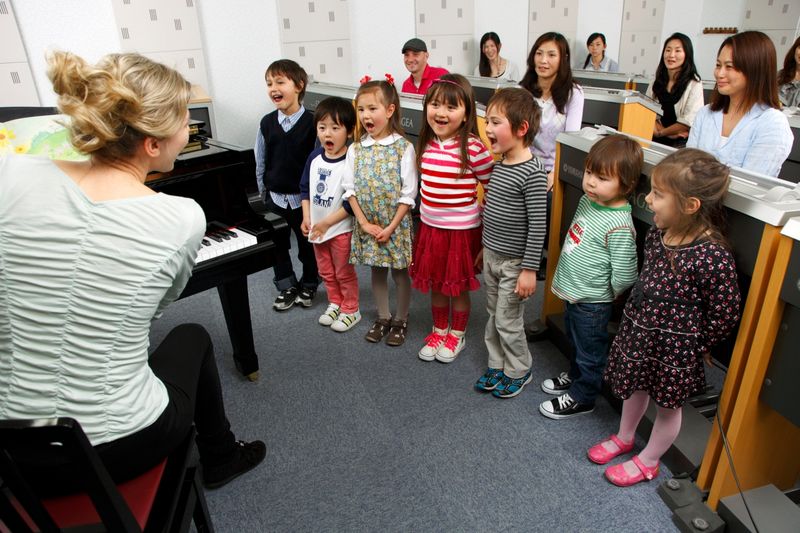
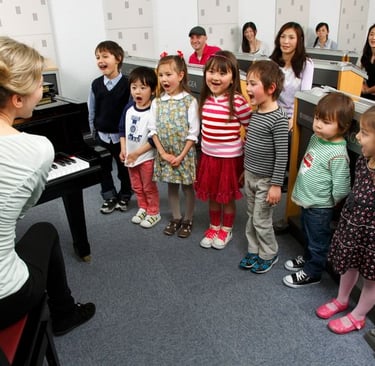
Most parents don’t begin by searching for music therapy for autism, not at first anyway. It tends to show up after weeks or even months of looking around for something that feels right… somehow. Maybe you already tested different things, activities and ideas. Maybe the school has suggested looking at extra support, or perhaps you've noticed something yourself.
Your child may pause everything when a favourite tune comes on. They might like tapping rhythms on the table, or they could look noticeably more settled while music is on in the background.
Those small moments, like really small but meaningful ones, often make parents wonder if music can turn into more than just a thing their child enjoys.
At Chorus Music Therapy, that's where the conversation begins. Not with what a child can't do, but with what already captures their attention.
Why Are More Parents Exploring Music Therapy For Autism?
No parent is really looking for another activity, just to be busy in the afternoon. They’re actually searching for something that feels safe and comfortable for their child, something that fits.
So those one-size-fits-all plans don’t always land right. Some children enjoy busy groups, others don't. Some love trying new things straight away, others prefer a little quiet time, watching first, before they join in.
That’s totally normal, and honestly not a big deal. With individual music therapy, there’s no pressure to keep up with anyone else. Instead, the session grows around the child.
That means we can:
Follow what interests them
Give them time to settle
Change activities if needed
Keep the session calm when that's what suits them best
Sometimes the smallest changes make the biggest difference.
What Actually Happens During A Session?
This is often the first question that some parents ask. The answer isn’t always what they expect, really. There isn’t a script anywhere, nor any tight list of songs every child “has to” learn or memories, or any performance waiting at the end. Instead, the therapist gets to know the child through music.
One session might include:
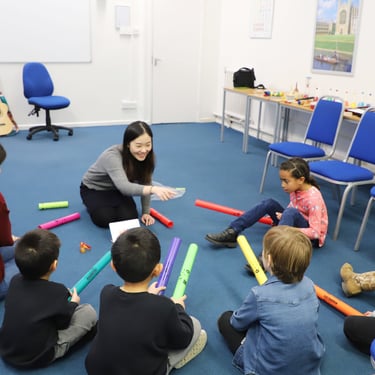
Exploring different instruments
Singing together
Creating simple rhythms
Listening to familiar music
Taking turns with instruments
Making music together without using words
Some children spend twenty minutes with one instrument because they're fascinated by it. Others move around the room trying lots of different sounds. Both are completely fine.
The session isn't trying to make children behave in a certain way. It's about meeting them where they are that day.
Does A Child Need To Enjoy Music Already?
Not at all, parents sometimes worry because their child doesn't sing at home. Others think music therapy is only for children who are naturally musical. It isn't.
Children don't need to:
Play an instrument
Read music
Sing
Have any previous experience
Curiosity is enough. Sometimes a child, who never really showed much interest in music, suddenly finds a sound they kinda enjoy.
Sometimes it’s more like they enjoy having that quiet corner space to wander around without feeling rushed or pressed.
There isn’t really a right or wrong way to take part in it, either. That’s one of the reasons lots of families pick music therapy for autism instead of a more traditional music lesson.
Can Music Help Without Asking Children To Talk?
Think about the last time you heard a song that reminded you of someone. You probably didn't have to think about it. The memory just appeared. Music has a way of creating moments that words sometimes can't. For some children, communication doesn't always begin with conversation.
It can begin with:
Sharing a rhythm
Looking towards an instrument
Smiling during a favourite song
Copying a simple beat
Waiting for someone else's turn
They're small moments. Easy to miss if you are not really looking for them. But families notice those small shifts long before anybody else, like it is nothing until suddenly it is. And sometimes those little seconds become the start of something way bigger.
Why Do One-To-One Sessions Feel Different?
Picture two children starting a new activity. One walks straight in and starts exploring. The other stays close to their parent for a few minutes, quietly taking everything in.
Neither child is wrong. They're simply approaching something new in their own way. That’s why those one-to-one sessions can work so well, I mean, really well.
There isn’t much pressure to keep up with the group, or to rush ahead, since everyone else is already kinda ready.
Instead, the therapist gets the chance to notice what the child actually enjoys, and they build the session around that, more intentionally.
Some days, a child might spend most of the session with one instrument. On another day, they may move between different sounds or respond to a familiar song instead. The session changes because children do.
Can Music Become Another Way To Communicate?
Not every conversation needs words. Children communicate in lots of different ways. A smile, a glance, a rhythm copied back to someone else. Waiting for another person to finish before joining in.
These moments can be just as meaningful as spoken language. Music creates opportunities to share those moments naturally. Rather than asking a child lots of questions, the therapist joins them through music and follows their lead.
That's one of the reasons families explore music therapy for autism. It offers another way to build connections without expecting children to communicate in the same way.
If you’re looking into music therapy for autism, you’re probably hoping to find something that feels right for your child, not just something that's trendy. Music therapy isn’t about teaching children to become musicians. Not at all.
It’s about creating a safe, welcoming space where they can explore music, grow connections and share themselves in a way that feels natural to them, like genuinely natural.
At Chorus Music Therapy, we think every child should get the chance to be themselves without feeling pushed into some specific “way” of learning or communicating. And sometimes progress starts with one single note… not much, but something.
Frequently Asked Questions
1. Does music therapy help autism?
Every child is unique, so every experience turns out different in this way or that. Music therapy brings a personalised environment where children can step into music, not just as sound, but in ways that feel comfortable for them and meaningful, too.
2. Can autistic children benefit from music therapy?
Many families go for music therapy because the sessions are tailored to the individual, really. The activities are adapted to match the child’s interests, responses, and even their pace.
3. What happens during music therapy?
Music therapy sessions may include:
Playing instruments
Singing
Listening to music
Creating rhythms
Sharing musical activities with the therapist
No previous musical experience is needed.
4. Is music therapy the same as music lessons?
No, music lessons focus on learning musical skills. It uses music as a way to support interaction and build a therapeutic relationship with a qualified music therapist.
Copyright © 2026 Chorus Music Therapy & Education - All Rights Reserved.
Address
45 Queen Edith's Way,
Cambridge,
United Kingdom
CB1 8PJ
Contacts
Tel no: +44 7751 844300 (Cloris)/
+44 7356 044778 (Admin- Winnie)
Email address: info@chorusmusictherapy.co.uk