How to Choose a First Musical Instrument for Your Child: Piano, Violin, or Singing?
Not sure whether your child should learn piano, violin or singing? Explore age, readiness, interests and tips for choosing beginner music lessons.
MUSIC THERAPY


If your child taps the kitchen table or sings in the back of the car, you might be wondering where to start. Piano, violin, or singing? Music education can support a child's development and build their confidence, whichever path they choose.
There's no single answer to the question “how to choose a first musical instrument for your child”. What seems best can change with time and mood, and a child's temperament matters too. Some kids start confident, then lose interest. Others do the reverse, so it pays to pay attention.
The good news is simple: the best beginner music lessons are the ones your child wants to go to.
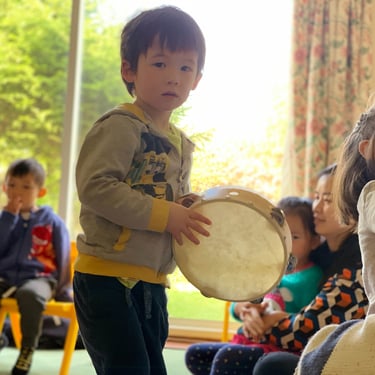
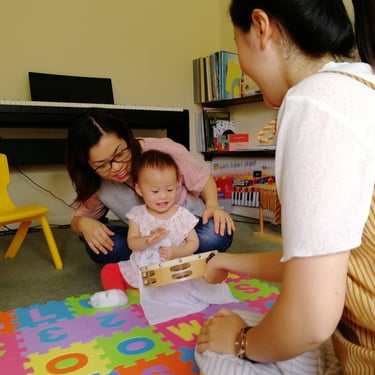
At Chorus Music Therapy and Education, we offer piano, violin, and singing lessons in Cambridge, all designed around the child in front of us. Every child learns differently, so our lessons are interactive and hands-on, helping children learn by doing and enjoy music as they go.
What is The Best First Instrument To Learn?
When thinking about how to choose a first musical instrument?
Some kids want the piano first. They sit down, press the keys, and watch for the result. Other kids may cling to the violin. At first, they may not even say much. They just listen, then try to copy what they hear.
A lot of kids also like to sing. They want to join in with songs they already know. That early spark counts. Learning music takes time. It needs practice that happens often. One day of effort usually is not enough.
If you are stuck on the first choice, slow down and check a few simple points.
What music does your child play on repeat?
Do they enjoy singing or showing off in front of others?
Can they handle a short lesson without zoning out?
Would they focus better alone, or do they like a group with peers?
Do they seem willing to practise between lessons?
There is no single right choice.
Is Piano Easier Than Violin?
For most beginners, yes, at least at the start.
On a piano, each key makes a firm, steady sound. Because of that, kids can learn a basic tune right away in their first piano class, and they do not have to worry about pitch. It's a quick win, and quick wins keep young learners going.
The violin is a slower burn. Kids need to figure out how to grip the instrument, move the bow without rushing, and set their fingers in the right places. At first, the notes may come out rough. That is normal, though. If a child really wants to play a string instrument, they usually like the work. With steady, kind violin lessons, they can start to improve pretty quickly.
Should Children Start With Singing?
Yes, kids use their voices to try out sounds and beat long before they hold an instrument. Because of that, singing can feel like an easy fit. A singing class can build a lot of skills. Pitch and timing come first. Then kids work on memory and breath. They also learn to show feelings in their voice.
When children sing together, something changes. They must pay attention to the others. Their own part has to match the sound around them. And they get to feel good about what the group makes.
For a child who likes being on stage, this can be a fun start to music time. Plus, there is no gear to purchase or haul around.
What Age Should A Child Learn An Instrument?
There's no magic number.
Small children can begin with songs, simple movement, and rhythm play. It feels warm, and it helps them get used to music.
Once a child can understand basic directions, stay focused for a little while, and seems curious about lessons, more formal training often fits better. This could be piano, violin, or singing practice. Instead of worrying about age, check readiness.
That's the better guide to starting beginner music lessons.
Piano, Violin, or Singing: Which One Should You Choose?
Piano Lessons
Many kids do well with piano if they like clear routines. In lessons, they pick up notes and timing, and they hear how melody and harmony fit together. They also learn the basic parts of music theory. Over time, their hand control improves as they practice.
Violin Lessons
A violin can work well for kids who enjoy string instruments. It also helps when they are okay with learning step by step. With lessons, children practice listening and hand-eye coordination. They also build focus. Over time, they learn to play with more feeling and control.
Singing Lessons
Some kids light up when they sing. They enjoy hearing music and being seen. With singing lessons, they can try different pitches and rhythms. They also build memory and learn how to show feelings. They do not need to learn an instrument first.
What you choose should match your child. It should not depend on the idea that one instrument is easier than the rest.
Can Group Music Lessons Help Children?
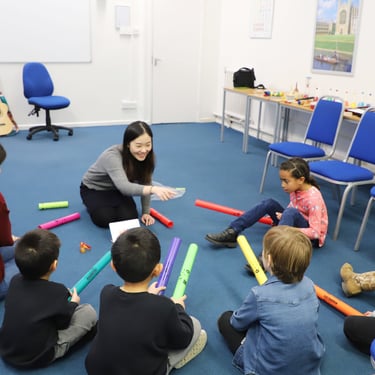
Group music classes really help. Kids get to play and listen with other children. That helps them hear details better, work with others, and feel more sure of themselves. In a class setting, many kids feel calmer because the whole room is learning. It is also easier to relax and have fun.
Private lessons can be a strong fit too. A teacher can focus on one child at a time. Some children do best that way. Many parents end up using both formats. The key is to pick what fits your child right now and supports their growth in music.
Music Lessons Or Music Therapy?
It can help to tell them apart. Music lessons are mainly about growing as a musician. A child might learn piano, violin, or singing. They practice and improve those skills over time.
Music therapy uses music in a different way. The aim is often broader than music itself. It can support things like talking with others, feeling better, and building social confidence.
So which one fits best comes down to your goals for your child. Chorus Music Therapy and Education provides both options. This means families can discuss what their child needs. Then they can choose the style that feels like the best match.
Frequently Asked Questions
1. How to choose a first musical instrument?
There is no single “right” path. A few children pick piano first. Others try violin right away. Some decide to sing at the start. What works best depends on what your child likes, their age, how sure they feel, and whether they are ready.
2. Can kids start with singing?
Singing can feel natural. It may seem easier than speaking at first. As you sing, you work on pitch and timing. That is why many families begin with it.
3. At what age should lessons begin?
There's no perfect age. Most children are ready for beginner lessons once they can follow a simple routine.
4. Are group music lessons helpful for confidence?
They can support kids. During lessons, children practise skills and take part in short performances. They also try small tasks and track what they can do better over time. In groups, they learn from classmates and cheer each other on.
5. Should your child take music lessons or try music therapy?
It depends on what you hope will change for your child. If the main aim is to learn an instrument and gain solid skills over time, regular lessons usually work best.
6. How do you choose piano, violin, or singing?
Begin with what your child seems to like. You can book a trial class or a short first session. This makes it easier to spot what feels comfortable and fun for them.
Copyright © 2026 Chorus Music Therapy & Education - All Rights Reserved.
Chorus Music Therapy & Education Ltd (Company No. 15217688) · VAT Registered: (VAT No. GB 518654961) · Chorus Music Therapy CIC (Company No. 16755615)
Address
45 Queen Edith's Way,
Cambridge,
United Kingdom
CB1 8PJ
Contacts
Tel no: +44 7751 844300 (Cloris)/
+44 7356 044778 (Admin- Winnie)
Email address: info@chorusmusictherapy.co.uk